EPDM Membrane Roofing in Newport Beach: What to Know About Low-Slope Reroofing
If you own a home or commercial building in Newport Beach and you are looking at a tired low-slope roof, the conversation usually gets practical very quickly. Is the existing roof coming off or can it stay? Will the city require the deck to be exposed? Is the structure adequate for the roof load? And if you are comparing membrane systems, where does EPDM fit?
Those are the right questions to ask. Low-slope reroofing is less about buzzwords and more about assembly, code, and jobsite judgment. In Newport Beach, reroofing work is governed by current California building codes along with local municipal requirements. That matters because the roof you see from the patio is only part of the story. Once a permit is pulled and inspections begin, attention shifts to what is underneath, how the roof is attached, and whether the building can carry what is proposed.
For many owners, EPDM enters the picture because it belongs to the family of membrane roofs typically associated with low-slope assemblies. California code guidance defines a low-sloped roof as one with a slope of less than 2:12. That category is where membrane roofing systems commonly come up, including EPDM and PVC. If your roof falls into that range, the reroofing discussion is usually different from what you would hear on a steep-slope shingle or tile project.
Why low-slope reroofing in Newport Beach needs a careful look
Newport Beach is not a place where you want to guess your way through a reroof. The city’s reroof inspection guidance makes that clear. Existing roof material may need to be removed so the sheathing is exposed, and the structure must be verified for roof loads. That one point alone shapes the whole project.
Owners often hope a new membrane can simply go over what is there, especially if the old roof is not actively pouring water inside. Sometimes reroofing codes do allow certain recoveries instead of full tear-off, including provisions involving single-ply systems. The code source reviewed for this topic notes that certain roof recoveries over thermoset and thermoplastic single-ply systems can be permitted in some cases. “Some cases” is the important phrase. It is not a blanket promise. It means the existing condition, the existing roof type, and the applicable reroof rules all matter.
That is why an honest evaluation matters more than a sales pitch. A roof that looks serviceable from the ground can still hide wet materials, compromised sheathing, or details that make a recover a bad idea. Even when a recover is technically possible, it may not be the best long-term move. If the city requires exposure of the sheathing, or if the structure must be verified for load and the existing layers create uncertainty, that can push the job toward tear-off.
Where EPDM fits, and where the conversation often gets muddy
EPDM is part of the low-slope membrane category. That much is squarely within the facts here. What you should not do is let anyone reduce the decision to a simple “EPDM versus everything else” argument without looking at the building itself.
In real reroofing work, the membrane choice is only one piece of the system. The deck condition, the number and type of existing layers, transitions at walls and penetrations, and code-driven inspection requirements usually have more impact on the scope than the product name alone. A low-slope roof in Newport Beach may sit over living space, over a garage, or over commercial occupancy. The consequences of a bad detail are not the same in each case.
This is also where homeowners get tripped up by assumptions carried over from steep-slope roofs. On a pitched roof, people tend to think in terms of visible covering, color, and curb appeal. On a low-slope roof, performance depends heavily on what happens at seams, terminations, drains, edges, and substrate preparation. Even before a membrane is installed, the reroof path has to make sense under California and local rules.
Tear-off versus recover is rarely a cosmetic decision
Owners often ask whether they can avoid a full tear-off to save time and cost. Sometimes yes, sometimes no, and the code framework matters.
The reviewed reroofing provisions indicate that certain recoveries over existing thermoset and thermoplastic single-ply systems may be allowed in some situations. That gives a path for some low-slope roofs, but not a free pass. Newport Beach’s own reroof inspection guidance adds another layer of caution by stating that existing roof material may need to be removed so the sheathing is exposed. The structure must also be verified for roof loads.
Put those two ideas together and you get the real-world answer: a roofing contractor in Orange County recover can be possible under code in some situations, but the project still has to satisfy inspection requirements and structural review. If the existing roof build-up makes it hard to verify conditions, a recover becomes harder to justify. If adding another layer raises load questions, that also changes the conversation.
I have found that owners are often most comfortable when this is explained plainly at the start. A contractor who says “we will know after we open it up” is not dodging the question. On low-slope reroofing, that is often the honest answer. The roof assembly has to tell the truth before the paperwork and the final scope can line up.
The existing roof matters more than people expect
One of the most overlooked parts of reroof planning is the type of roof that is already there. California code has very specific treatment for wood shakes and shingles, and while that may sound unrelated to an EPDM membrane roof, it absolutely matters on reroof jobs where old coverings remain part of the equation.
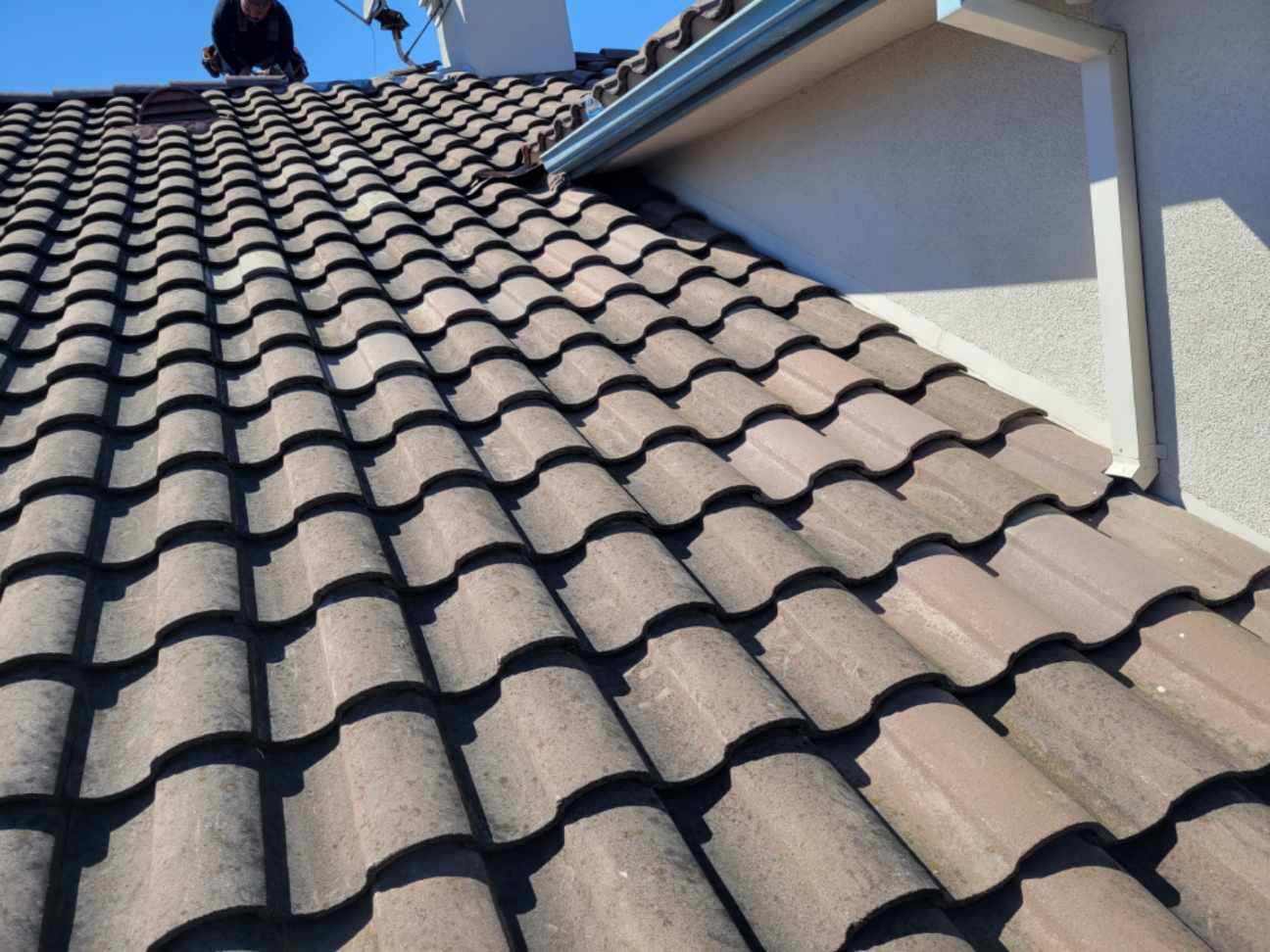
California residential code treats wood shakes and shingles as a specialty roof covering. Fire-retardant-treated wood shingles and shakes must be approved and listed by the State Fire Marshal. There are also specific rules when reroofing over existing wood shakes or shingles. If reroofing over them creates a combustible concealed space, that space must be protected with approved materials such as gypsum panel products, mineral fiber, glass fiber, or other approved material.
This is one of those edge cases that can turn a “simple” reroof into something more involved. In coastal Orange County, many older properties have gone through several roof cycles. Newport Beach records show wood cedar shake roofing has appeared in local planning and permit records, while a city modification log from 2010 also references a municipal provision stating wood roof covering is not allowed. That does not mean every older building has wood today, or that every project faces the same issue. It does mean you should not assume the roof assembly is straightforward just because the current surface looks modern.
If an older roof has layers or remnants of wood-based coverings in its history, the code path can change. That affects demolition, inspection, concealed spaces, and sometimes scheduling. It is a good reminder that low-slope reroofing starts with investigation, not product selection.
Low slope has a precise meaning in code, and it matters
A lot of people use “flat roof” as a catch-all phrase. In code terms, that is too loose. California defines low-sloped roofs as those with a slope of less than 2:12. That threshold matters because it helps determine which roof categories and rules are relevant. It is also why EPDM tends to come up on these projects in the first place.
If your roof is below that slope, it is generally in the realm where membrane systems are commonly considered. That does not answer every design question, but it gives the project its starting lane. It also helps separate low-slope reroofing conversations from steep-slope rules, where materials like tile, shingles, shakes, and cool-roof product requirements are often discussed differently.
That distinction is important in mixed-roof homes, which are common enough to cause confusion. A property may have one low-slope section over a room addition or garage and a separate steep-slope main roof. Owners hear one set of requirements for one area and assume it applies everywhere. It often does not. The right approach is to treat each roof area according to its slope, assembly type, and code path.
Cool-roof discussions can overlap, but not always in the way owners expect
In California’s coastal Orange County climate zones, cool-roof requirements can apply on steep-slope roofs when roofs are replaced or significantly altered. The state’s 2025 Energy Code requires CRRC-certified and labeled products in covered cases. That is a real issue in reroof planning, but it is often misunderstood.
For a low-slope EPDM project in Newport Beach, the first step is not to assume a steep-slope cool-roof rule answers the membrane question. What it does tell you is that reroofing in California is tied to energy standards as well as building code and local requirements. If your property includes both steep and low-slope sections, or if the scope includes more than one roof type, the compliance conversation can broaden quickly.
This is where a seasoned estimator or project manager earns their keep. They should be able to separate what applies to a low-slope membrane assembly from what applies to another roof section, without blending the rules into a one-size-fits-all answer. Homeowners appreciate clarity here because reroofing proposals can look similar on the surface while leaving very different compliance issues to be sorted out later.
What Newport Beach inspections can mean for your schedule
Inspection language may sound dry on paper, but it has a direct effect on how a reroof unfolds. If the city requires exposure of the sheathing, that means the job is not just about laying a new membrane over a prepared surface and calling it done. It can involve tear-off sequencing, temporary dry-in planning, and coordination around when the deck is visible for review.
That also means timing matters. A contractor may plan the work in phases so exposed areas are controlled and the property is protected between inspection points. Owners sometimes look at two bids and wonder why one appears slower or more expensive. If one contractor has clearly accounted for inspection staging and possible substrate issues while another has priced the job as if everything underneath is perfect, the cheaper number may not stay cheap for long.
The structural load piece is equally important. Newport Beach’s guidance says the structure must be verified for roof loads. On paper, that is a short sentence. On a real project, it can affect whether an https://pub-860ef87002ee44518b008bdad449af5f.r2.dev/my-home-blog/huntington-beach/epdm-membrane-roofing-for-huntington-beach-flat-and-low-slope-roofs.html overlay is feasible, whether additional layers need to be removed, and how confident everyone can be about the final assembly. This is especially important on older buildings where original plans are not always easy to confirm.
Questions worth asking before you sign
A good reroof meeting should leave you with fewer assumptions, not more. If you are interviewing a roofing company in Orange County for a low-slope reroof in Newport Beach, these questions usually separate thoughtful planning from generic selling.
- Will the existing roof need to be removed to expose sheathing for inspection?
- How will roof loads be verified if a recover is being considered?
- What existing roof layers are present, and do any older materials create code complications?
- Is the roof clearly a low-sloped assembly under the less-than-2:12 definition?
- Which parts of the project are still subject to field verification after tear-off begins?
Those questions do not make you difficult. They show you understand that reroofing is an assembly problem, not just a material order.
Older coverings and specialty materials can complicate the picture
Even though this article is about EPDM membrane roofing, it helps to understand how other coverings are treated because old roof assemblies do not disappear just because a new membrane is proposed. California code includes detailed rules for wood shingles and shakes, including fastening, underlayment, and fire-retardant treatment requirements. It also recognizes that wood shakes, wood shingles, and tile roofs can be used in systems with battens and no continuous underlayment in certain assemblies.
Why does that matter to someone thinking about EPDM? Because reroofing often starts with what is already there, not what you wish were there. If a building has a complicated roof history, a project team may uncover layers, attachment methods, or combustible spaces that change the scope. The membrane decision still matters, but it sits downstream from demolition findings and code review.
I have seen owners become frustrated when a contractor uncovers an issue and revises the scope. Sometimes that frustration is justified. Sometimes it comes from not realizing how much of reroofing depends on existing conditions. The safer path is to assume the roof may hold a few surprises and choose a contractor who says so up front.
When a “simple membrane swap” is not really simple
There is a common assumption that low-slope reroofing is easier than steep-slope work because the roof is less visible and the material looks simpler. In practice, the opposite can be true. Low-slope systems are unforgiving about ponding areas, penetrations, perimeter details, and transitions. Add in local inspection requirements and possible tear-off obligations, and the project can become highly technical very quickly.
That does not mean an EPDM reroof is automatically complicated. It means you should treat it with the same seriousness you would give a structural repair or a major window replacement. A well-run low-slope reroof often looks uneventful from the outside precisely because the planning was thorough. The work that saves headaches is usually the work you never notice later.
A good example is the difference between bidding from aerial imagery versus physically evaluating the roof. On a low-slope project, a photo may show a clean rectangle. Walking the roof can reveal transitions, older patches, equipment supports, and evidence of previous reroof cycles. Those details may not change whether EPDM is considered, but they absolutely affect how the job should be approached.
Signs you need a more detailed review before moving forward
Sometimes the smartest step is to slow down before selecting the membrane or approving the contract. That is especially true when any of the following are in play.
- The building is older and the roof history is unclear.
- The contractor is proposing a recover without much discussion of sheathing exposure or load verification.
- Portions of the property have different slopes and different roof types.
- Permit or city review comments raise questions about existing materials.
- The proposal treats all unknowns as minor change orders instead of discussing them now.
None of those items automatically means the project is headed for trouble. They do mean the reroof deserves a closer look before crews arrive and tear-off starts.
How to think about EPDM in Newport Beach without oversimplifying it
The best way to think about EPDM membrane roofing in Newport Beach is not as a universal answer, but as one legitimate option within the low-slope reroof category. If your roof is under 2:12, membrane roofing is the relevant family of systems. If you are reroofing, California and local rules govern the job. If the city requires exposure of the sheathing or load verification, those items can shape the scope as much as the membrane itself. If older specialty coverings or wood-based assemblies are involved, code complications may appear that have nothing to do with the new membrane and everything to do with the existing condition.
That may sound less tidy than a brochure headline, but it is the truth. The good news is that once the existing roof is evaluated honestly, the path forward usually becomes much clearer. You can decide whether tear-off or recover is viable, what inspections are likely, and whether the assembly under consideration makes sense for the building.
For owners in Newport Beach, that is the real value of early due diligence. Not just picking a material, but understanding the reroof as a code-governed assembly with structural, inspection, and existing-condition realities. When that piece is handled well, the final roof tends to perform better and the project tends to go more smoothly. And on a low-slope roof, smooth execution is never an accident.